

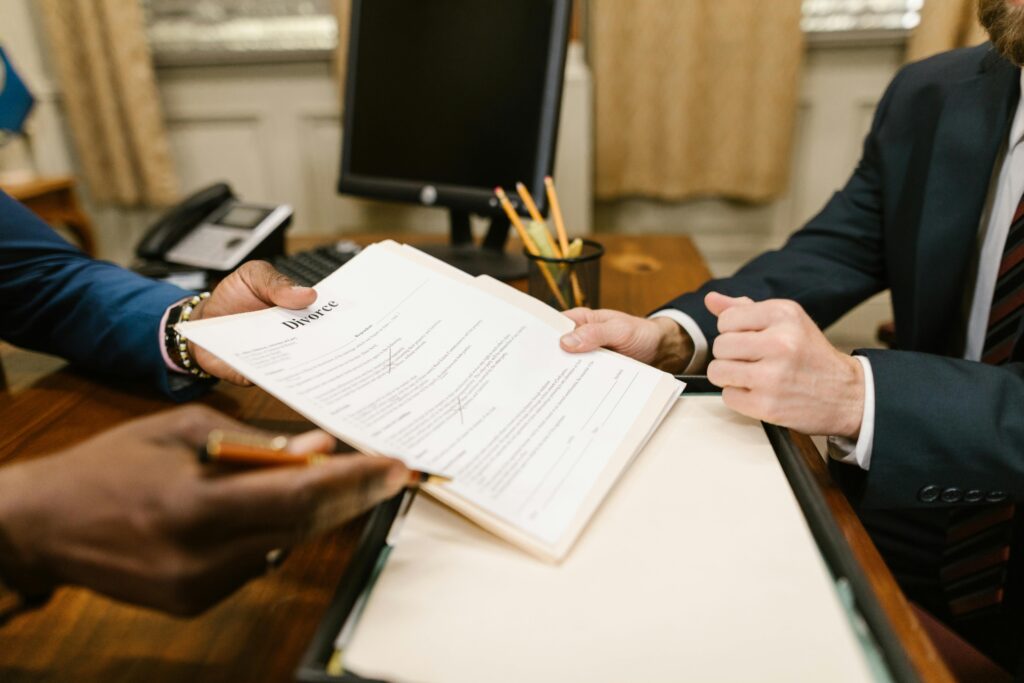
Divorce can be one of the most challenging experiences in a person’s life, but when both spouses agree on the key terms of separation, the process doesn’t have to be filled with conflict and stress. An amicable divorce—where both parties work together respectfully to dissolve their marriage—offers a faster, more affordable, and more peaceful alternative to traditional litigation. However, even in a cooperative divorce, the legal paperwork must be completed accurately and filed correctly. This is where expert amicable divorce document preparation becomes invaluable.
This detailed, step-by-step guide explains how professional document preparation services can help you achieve a smooth, error-free divorce while maintaining peace of mind throughout the process.
Step 1: Understanding What an Amicable Divorce Means
An amicable divorce occurs when both spouses agree on major issues such as property division, child custody, support arrangements, and debt allocation. There are no disputes that require courtroom intervention or prolonged legal negotiations.
In this type of divorce, the couple seeks a fair resolution while avoiding unnecessary legal expenses. A professional document preparer plays a vital role by ensuring that all forms and agreements are properly drafted and filed with the court.
Step 2: Choosing the Right Divorce Document Preparation Service
Finding a trusted expert in amicable divorce document preparation is the first and most crucial step. Not all preparers have the same level of experience or knowledge of local court requirements.
When choosing a service, look for the following:
- Proven experience in uncontested or amicable divorce cases.
- Transparent pricing with no hidden fees.
- Positive client reviews and testimonials.
- Familiarity with your state’s family court procedures.
- Availability for questions and consultations.
An expert preparer will guide you through the process efficiently, ensuring compliance with all legal standards and avoiding delays caused by errors.
Step 3: Gathering All Necessary Personal and Financial Information
Before any forms can be completed, both spouses need to collect all relevant information. This includes:
- Full legal names, marriage and separation dates, and current addresses.
- Income details and employment information.
- A complete list of shared and individual assets (property, vehicles, savings, investments).
- Outstanding debts and liabilities.
- Agreements regarding spousal support, child custody, and visitation (if applicable).
Having this information ready ensures a smoother process and reduces the risk of mistakes or omissions during document preparation.
Step 4: Drafting the Marital Settlement Agreement (MSA)
The Marital Settlement Agreement is the foundation of an amicable divorce. It outlines every decision the couple has made regarding their separation, including how assets will be divided and whether either party will receive support. Review sample agreements on Afridi Document Preparer to understand Amicable Divorce Document Preparation expectations.
An expert document preparer ensures that your MSA:
- Clearly states all agreed terms.
- Meets the legal requirements of your jurisdiction.
- Is formatted properly for court acceptance.
- Avoids ambiguous language that could lead to disputes later.
This step is crucial for legal peace of mind since a well-drafted MSA ensures both parties fully understand their rights and obligations.
Step 5: Preparing the Divorce Petition and Supporting Documents
Once the MSA is complete, the document preparer moves on to creating the official divorce petition and other required forms. These may include:
- Petition for Dissolution of Marriage.
- Financial disclosure forms.
- Property division worksheets.
- Child custody and support agreements (if applicable).
Each jurisdiction has its own formatting and submission requirements, so accuracy and compliance are essential. A professional preparer ensures every document is correctly completed to prevent rejection or delays.
Step 6: Reviewing All Documents for Accuracy
Before filing, it’s critical to review every detail to ensure accuracy and consistency across all forms. Even small discrepancies—such as mismatched dates or financial amounts—can lead to complications in court.
A document preparer carefully checks each form for errors, ensuring that all information aligns perfectly. This quality control step gives both spouses peace of mind knowing that the paperwork will be accepted without issues.
Step 7: Signing and Notarizing the Required Forms
Most states require signatures from both spouses on various divorce forms, and some documents must be notarized to be legally valid. Forgetting to sign or improperly notarizing paperwork is a common reason for delays in uncontested divorces.
A professional amicable divorce document preparer ensures that each form is signed correctly and notarized when necessary. Some services even provide in-house or mobile notary options for added convenience.
Step 8: Filing the Divorce Documents with the Court
After all documents are completed and signed, the next step is filing them with the appropriate family court. Filing can be done in person, by mail, or electronically, depending on local regulations.
The expert preparer ensures that:
- The correct filing location is used (based on residency requirements).
- Court fees are paid in full and using the approved payment method.
- Copies are properly made and distributed to both parties.
By handling the filing process efficiently, your preparer prevents the delays that often occur when documents are submitted incorrectly.
Step 9: Serving the Divorce Papers (If Required)
Even in amicable divorces, one spouse must often serve the divorce papers to the other formally, following court rules. This step ensures that both parties are officially aware of the legal proceedings.
An expert preparer can coordinate this process, using approved service methods and filing the proof of service with the court. Since both parties agree to the divorce, this step is usually straightforward but still essential for legal compliance.
Step 10: Monitoring Case Progress and Responding to Court Notices
After filing, the court will review your case and may request additional documents or clarifications. It’s important to monitor your case status and respond quickly to any court correspondence.
A professional document preparation service keeps track of all filings and deadlines. They notify you if action is required, ensuring that the process continues smoothly without delays.
Step 11: Receiving the Final Judgment or Decree of Divorce
Once the court approves the documents and verifies that all requirements have been met, the judge issues a Final Judgment of Divorce. This decree officially ends the marriage and records all terms of the settlement.
Your document preparer will provide certified copies of the final decree for your records and help you understand any follow-up steps, such as updating legal documents or financial accounts.
Step 12: Moving Forward with Confidence and Peace of Mind
Completing an amicable divorce through expert document preparation not only saves money but also provides emotional and legal clarity. By ensuring that your divorce documents are properly prepared, filed, and approved, you minimize the risk of errors that could resurface in the future.
Professional preparers give clients the confidence that their divorce was handled correctly, allowing them to move forward without lingering legal uncertainty.
Conclusion
Divorce doesn’t have to be a painful or confusing process. With the support of expert amicable divorce document preparation, couples can achieve a peaceful resolution that meets all legal standards while avoiding unnecessary expenses and courtroom battles.
By following these steps—choosing a qualified preparer, gathering accurate information, drafting clear agreements, and filing documents correctly—you can complete your divorce efficiently and with full peace of mind.
A trusted document preparation service ensures that every detail is handled professionally, helping you close one chapter of your life with dignity, clarity, and legal confidence.
