

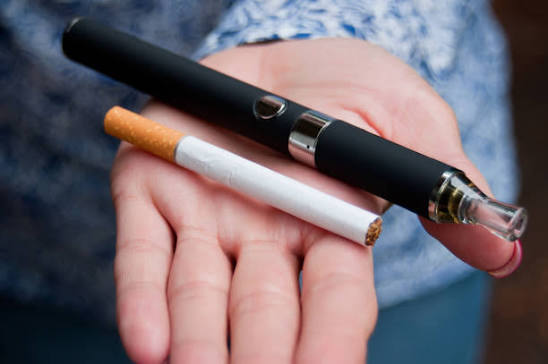
Disposable vape products have become a recognizable category in the vaping market because of their compact designs and integrated components. The term “Ruby Dispo” may refer to a particular brand or product line, depending on the seller and market. Before evaluating a product under this name, consumers should verify its identity, manufacturer, ingredients, and applicable regulatory status.
Understanding product features and quality indicators is important for making informed decisions. The following steps explain how to assess product information, recognize potential warning signs, and understand the health and environmental considerations associated with disposable vaping devices. buy thc vape pens is a popular search among adults looking for information about cannabis vape products and product specifications.
Step 1 Identify the Product and Manufacturer
The first step is to establish exactly which product is being advertised as Ruby Dispo. Similar names, copied packaging, and unofficial listings can make it difficult to determine whether a product comes from a legitimate manufacturer.
Review the packaging for the manufacturer’s name, product model, batch number, and relevant contact information. Where possible, compare these details with information published by an independently verifiable manufacturer or an authorized retailer.
If the manufacturer cannot be identified or the product’s origin remains unclear, its quality and contents cannot be reliably established. The stiiizy dispo product listing provides a starting point for understanding this category of cannabis vape devices.
Step 2 Understand the Main Product Features
Disposable vape devices typically combine a battery, heating element, and liquid or extract chamber in one unit. Some products include indicator lights or different activation mechanisms, while other specifications vary by model.
When reviewing Ruby Dispo product descriptions, distinguish between verified specifications and promotional claims. A feature mentioned in an advertisement should not automatically be treated as proof of performance, reliability, or safety.
Clear product information is more useful than exaggerated claims about advanced technology or superior quality. The ruby dispo listing provides an opportunity to learn about product identification and disposable device characteristics.
Step 3 Review Ingredients and Product Composition
Ingredients are an important consideration when evaluating any vaping product. Depending on the product category, a disposable vape may contain nicotine liquid, cannabis extracts, or other formulations. The exact contents of a product called Ruby Dispo should not be assumed from its name alone.
Read the ingredient information carefully and check whether the packaging identifies the relevant substances and their concentrations. Avoid products with undisclosed ingredients, unclear labeling, or unsupported claims about purity.
For cannabis-derived products, cannabinoid content and terpene information may also be relevant. However, a list of ingredients alone cannot establish that a product is safe to inhale. The glitch extracts listing offers a starting point for examining product descriptions and ingredient transparency.
Step 4 Check Available Quality and Laboratory Information
Quality assessment should rely on verifiable evidence rather than packaging appearance or brand recognition.
Where applicable, look for independent laboratory testing that identifies the product and batch being tested. Depending on the formulation and local requirements, testing may address cannabinoid concentrations, contaminants, residual solvents, pesticides, or heavy metals.
A laboratory report is most useful when it can be independently verified and clearly corresponds to the product in question. An image of a certificate without traceable details does not necessarily establish authenticity or quality.
Step 5 Evaluate the Device’s Physical Condition
A disposable vape’s physical condition can provide clues about damage or poor handling, although appearance cannot confirm the safety of its contents.
Check for visible cracks, leaks, damaged packaging, unusual discoloration, or signs of battery damage. A device that is swollen, unusually hot, leaking, or physically compromised should not be used.
Do not open, puncture, modify, or attempt to repair a disposable battery. Damaged lithium batteries can present fire and injury hazards. The backpack vape listing provides a reference point for researching portable vape product information.
Step 6 Understand Battery Performance and Limitations
Disposable vaping devices rely on batteries to power their heating components. Battery capacity, operating characteristics, and charging capabilities differ among products.
Consumers should check the manufacturer’s instructions rather than assuming every device is rechargeable or compatible with the same charging equipment.
Avoid exposing a vape device to excessive heat, water, or physical pressure. If a device shows signs of overheating or battery failure, discontinue use and follow appropriate local safety and disposal guidance.
Step 7 Recognize the Importance of Accurate Product Claims
Marketing language can influence consumer perceptions, particularly when products are described as premium, pure, powerful, or high quality.
Such terms do not independently demonstrate product safety, ingredient accuracy, or manufacturing standards. Claims should be supported by clear specifications, traceable testing, and credible manufacturer information.
Be particularly cautious when a seller promises guaranteed effects, makes unsupported medical claims, or cannot answer basic questions about the product’s contents. The packwoods x runts product listing provides a reference for researching cannabis-related branding and terminology.
Step 8 Consider Potential Health Effects
Vaping is not risk-free, and the potential effects depend on the substances being inhaled and the device’s formulation.
Nicotine-containing products can cause dependence. THC-containing products can impair attention, coordination, memory, and judgment, and may cause anxiety or a rapid heartbeat. Other vaping formulations can expose users to respiratory irritants and potentially harmful chemicals.
The long-term effects of many inhaled formulations are not fully understood. Adolescents, pregnant individuals, and people who do not use tobacco or cannabis should be especially cautious about the risks of starting.
Severe breathing difficulties, chest pain, collapse, or loss of consciousness require urgent medical attention.
Step 9 Verify Legal and Regulatory Requirements
The legality of disposable vape products varies by jurisdiction and by the substances they contain. Rules may address age restrictions, product registration, ingredients, packaging, advertising, possession, and retail sales.
A product being advertised online does not establish that it is legal to purchase, import, possess, or use locally.
Before making a decision, consult current official regulations applicable to the product category and location. This is particularly important when the product’s contents or manufacturer are unclear. The jungle boy strain listing provides a starting point for learning about cannabis varieties and their characteristics.
Step 10 Consider Environmental Impact and Disposal
Disposable devices can create electronic waste because they combine batteries, electronic components, and other materials in a single product.
Improper disposal can contribute to environmental contamination and create fire risks in waste collection systems. Whenever possible, follow local battery recycling and electronic waste disposal guidance.
Do not burn, crush, puncture, or dismantle a disposable vape to separate its materials. Keep used devices away from children and pets until they can be handled appropriately.
Step 11 Make an Informed Assessment
After reviewing the product identity, ingredients, testing information, physical condition, and regulatory status, consumers can better determine whether the available information is sufficient to evaluate a Ruby Dispo listing.
A useful assessment prioritizes transparency and verifiable evidence over popularity or promotional claims.
If essential details cannot be confirmed, the most responsible approach is to avoid relying on the seller’s assurances. Uncertainty about a product’s contents is itself an important warning sign.
Conclusion
Evaluating a product described as Ruby Dispo requires more than looking at its design or advertised features. Consumers should verify the manufacturer, examine ingredient information, review available testing, recognize battery hazards, and understand the applicable legal requirements.
Following these steps encourages greater consumer awareness and helps distinguish credible product information from unsupported marketing. Most importantly, recognizable packaging, attractive features, and claims of premium quality do not guarantee that a disposable vape is authentic or safe.
